

The historical journey of casinos From ancient gaming to modern entertainment
The historical journey of casinos From ancient gaming to modern entertainment
The Origins of Gambling
The history of casinos can be traced back to ancient civilizations where various forms of gambling were prevalent. Archaeological findings suggest that games of chance were played in ancient China as far back as 2300 BC, with rudimentary dice and betting games that resembled today’s casino offerings. Similarly, ancient Egyptians and Romans also engaged in gambling activities, often betting on games such as dice or chariot races, laying the foundation for what would evolve into modern casinos. In today’s world, players can enjoy real money online poker and other exciting games in a digital format.
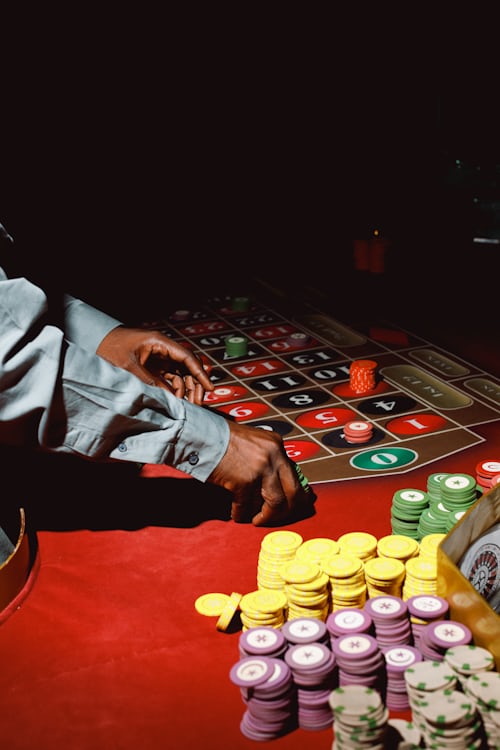
As societies developed, so did the complexity of gambling. The Greeks introduced betting on sporting events, which would eventually lead to the development of structured gambling environments. This gradual evolution set the stage for the formalization of gambling into organized establishments, eventually leading to the first recognized casinos.
The Emergence of Formal Casinos
The first official casino, the Casino di Venezia, opened its doors in Italy in 1638, marking a significant moment in the evolution of gambling as an entertainment industry. This establishment offered not only games of chance but also a venue for social gathering, reflecting the dual nature of casinos as both gambling halls and social hubs. By the 18th century, casinos began to appear in other parts of Europe, particularly in France, where they flourished as luxurious entertainment venues.
The 19th century saw the birth of the modern casino concept, particularly with the rise of Monte Carlo, which became synonymous with glamour and high-stakes gambling. This era established casinos as prestigious locations where the elite could indulge in their passions for gambling, solidifying their role in popular culture.
The American Casino Revolution
The casino landscape underwent a dramatic transformation in the United States during the 20th century. The first legal casino opened in 1931 in Las Vegas, Nevada, and this marked the beginning of a gambling boom in America. Las Vegas quickly became the mecca of gambling, attracting visitors from all over the globe with its extravagant hotels and endless entertainment options.
As gambling spread across the nation, new forms of gaming emerged, including slot machines and poker rooms, enhancing the overall casino experience. The introduction of Native American casinos in the 1980s further diversified the industry, allowing tribes to operate gaming facilities on their lands, leading to significant economic benefits for many communities.
The Digital Transformation of Casinos
The advent of the internet in the late 20th century revolutionized the gambling industry yet again. Online casinos began to emerge in the 1990s, providing gamblers with unprecedented access to a wide variety of games from the comfort of their own homes. This shift brought about a new era of gambling, characterized by convenience and accessibility, appealing to a broader audience.
Today, the online gaming industry continues to thrive, with advancements in technology leading to innovations like live dealer games and mobile gaming apps. This ongoing digital transformation has not only expanded the reach of casinos but also created new opportunities for engagement and entertainment, attracting a younger generation of gamblers.

Understanding Casino Security and Safety
As the online gaming industry grows, ensuring the safety and security of players has become paramount. Casinos, whether traditional or online, are now equipped with advanced security measures to protect users from fraud and cyber threats. This includes encrypted transactions, regular audits, and compliance with regulatory standards, fostering a safe gambling environment.
Users are encouraged to remain vigilant and informed about the security measures in place while engaging in online gambling. Many casinos provide resources and support to help players understand the importance of responsible gaming, emphasizing the need for a safe and enjoyable experience for all.