

The evolution of gambling a journey through history
The evolution of gambling a journey through history
Ancient Origins of Gambling
The history of gambling dates back thousands of years, with evidence suggesting its practice in ancient civilizations such as Mesopotamia and China. Archaeological findings indicate that the earliest known gambling activities involved dice, which were often made from bone or other materials. These rudimentary games served not only as entertainment but also as a means of divination, where outcomes were believed to reveal messages from the gods. Today, you can find diverse options in the realm of online casino offerings that reflect this rich history.

As societies evolved, so did gambling practices. Ancient Greeks and Romans embraced various forms of betting, including chariot races and gladiatorial contests. These activities laid the groundwork for more organized forms of gambling, highlighting its significant role in cultural rituals and social interactions throughout history.
The Middle Ages and Renaissance Era
During the Middle Ages, gambling faced scrutiny from religious institutions, which deemed it immoral. Despite this, clandestine games thrived, especially in the courts of Europe. Card games emerged during this time, bringing a new level of sophistication to gambling. The introduction of playing cards can be traced back to 14th-century Italy, which soon spread across the continent.
The Renaissance marked a turning point for gambling. With the rise of casinos in Italy, a more formalized and regulated approach to betting began to take shape. Gambling became a social activity among the elite, paving the way for the establishment of rules and structures that govern modern gambling today.
The Rise of Commercial Gambling
The 19th century saw a significant transformation in gambling, fueled by the industrial revolution. With urbanization came the establishment of large-scale betting houses and racetracks. The introduction of lotteries in various countries also marked a shift towards state-sponsored gambling, providing funding for public projects while allowing citizens to partake in games of chance.
During this period, gambling became more accessible to the general populace. This accessibility led to an increase in participation, but it also brought about concerns regarding gambling addiction. As more people engaged in betting activities, awareness of the potential for compulsive gambling grew, prompting discussions around responsible gambling practices.
The Digital Revolution and Online Gambling
The advent of the internet in the late 20th century revolutionized the gambling landscape. Online casinos and sports betting platforms emerged, providing unprecedented access to games from anywhere in the world. This digital shift allowed for a wider range of options, including live dealer games and virtual sports, enhancing the overall gaming experience.
However, the rise of online gambling also escalated concerns about addiction and its impact on mental health. As gambling became more convenient, the need for responsible gambling initiatives and support systems became increasingly critical. Various organizations began to advocate for awareness and education regarding the risks associated with online gambling, aiming to protect vulnerable individuals.
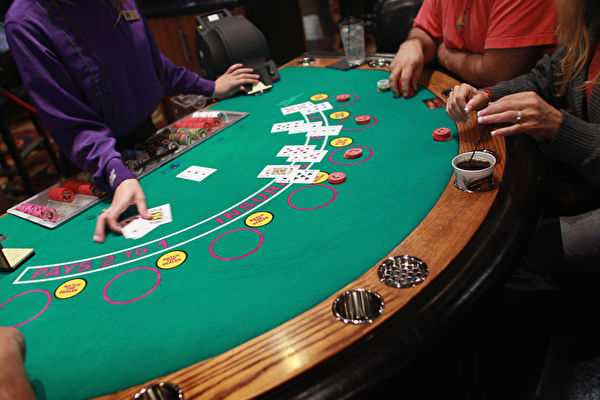
Awareness and Responsible Gambling Today
As gambling continues to evolve, the focus on responsible practices has become a priority for operators and regulators alike. Many online platforms now incorporate features that allow players to set limits on their spending and gameplay, promoting a healthier relationship with gambling. Awareness campaigns are also essential in educating the public about the signs of gambling addiction and the resources available for help.
At our website, we are dedicated to creating a secure environment for all users. By prioritizing responsible gambling and providing comprehensive resources, we aim to foster a community where individuals can enjoy gaming responsibly. We believe in empowering our users with knowledge and tools to recognize and address gambling-related issues, ensuring a positive experience for everyone involved.